
Ice fishing is a winter tradition that has gained immense popularity among outdoor enthusiasts. The serene beauty of frozen lakes and the thrill of catching fish through a hole in the ice make it a unique and rewarding experience. To make the most of this chilly adventure, having the right ice fishing gear is crucial. In this article, we’ll delve into two essential components of ice fishing gear: ice jigs and ice fishing rods.
Start with the fish you want to catch and the way you plan to fish. A compact panfish setup needs to handle small jigs and light bites; a setup for walleye or larger predators needs enough power for heavier presentations. The product examples in this guide focus on panfish, especially bluegill, crappie and perch. They are researched options, rather than equipment we have tested on the ice.
Ice Jigs: The Art of Luring
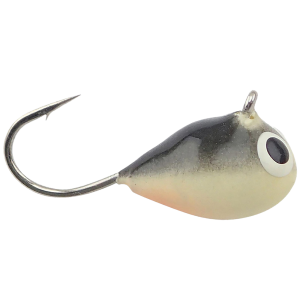
Ice jigs are a fundamental tool for any ice angler, serving as the bait that entices fish lurking beneath the icy surface. These small lures come in various shapes, sizes, and colors, each designed to mimic the prey of the targeted fish species. From the classic teardrop-shaped jigs to more intricate designs, the variety allows anglers to experiment and find what works best in different conditions.
One of the key considerations when selecting ice jigs is color. Natural colors are a useful starting point in clear water, while brighter, high-contrast or glow finishes can help in stained water or low light. These are starting points, not fixed rules; try different colors and presentations to see how fish respond. The reflective properties of the jig can attract the attention of curious fish even in low visibility environments. Additionally, some jigs are equipped with rattles or built-in attractants to further enhance their appeal.
Another factor to keep in mind is the weight of the jig. Lighter jigs are suitable for more delicate presentations, while heavier options allow for faster descents, reaching deeper water more quickly. Adjusting the weight of the jig based on the target depth and the fish’s activity level is essential for a successful ice fishing expedition.
Choose jig size and weight for the presentation
Size describes the lure’s profile, while weight helps determine how quickly it reaches your fishing depth and how well you can keep contact with it. Two jigs of similar size can sink differently because of their material and shape. A compact tungsten jig is useful when you want a small profile with enough weight to get down to fish.
- Panfish: Start with a small jig and a modest amount of bait or a small plastic. If fish inspect it without taking it, try a smaller profile or less movement before changing everything else.
- Deeper water: Use enough weight to reach the fish and keep the line reasonably straight. A very light jig may be difficult to control at depth, especially with thicker line.
- Walleye and larger fish: Larger jigs, spoons and swimming lures may be more appropriate. Match the rod and line to those heavier presentations; the compact panfish rod below is not a universal choice for them.
Read the exact size, hook and package details before ordering. A size given in millimeters describes the jig head, not its weight in ounces. The featured Fiskas offer is one bare 5 mm jig: add suitable bait or a plastic if your presentation calls for it, and keep the hook point exposed.
Ice Fishing Rods: The Backbone of Your Setup
A quality ice fishing rod is the bridge between an angler and the underwater world. These specialized rods are shorter than traditional fishing rods, typically ranging from 18 to 36 inches in length. The shorter design allows for easier maneuvering within the confines of an ice shelter and provides better control when battling fish.
When choosing an ice fishing rod, consider action and power separately. Action describes where the rod bends under load: a fast-action rod bends mainly near the tip, while a slower-action rod bends farther down the blank. Power describes the force needed to bend it, with ratings such as ultralight, light, medium and heavy. Lighter-power rods suit small jigs and panfish; stronger rods suit heavier lures and larger fish. Match both characteristics, along with the listed line and lure ratings, to your presentation and target species.
Many ice fishing rods also feature sensitive tips, allowing anglers to detect the slightest movements or bites. This sensitivity is crucial when fishing in cold water conditions where fish may not strike with the same force as in warmer seasons.
In the world of ice fishing, success often hinges on the gear an angler brings to the frozen lake. Ice jigs and ice fishing rods stand out as indispensable tools, each playing a unique role in the pursuit of that elusive catch. As technology continues to advance, new materials and innovations will likely enhance the performance of these essential components, providing anglers with even more efficient and enjoyable ice fishing experiences. So, bundle up, drill a hole in the ice, and let the excitement of ice fishing gear lead you to a winter adventure like no other.
Choose a rod length that fits how you fish
A short rod can be convenient when you sit close to a hole inside a small shelter. Longer rods give you more reach when fishing outside or standing over a hole, but need more room for storage and movement. Check the space around your chair and hole before choosing a length.
The featured HT IB-18 is only 18 inches long and is an ultralight panfish option. That compact size is its main appeal in tight spaces; anglers who spend the day moving between holes may prefer a longer rod. Buy for your fishing position as well as the species you target.
When assessing a rod, look for a tip you can watch easily, guides suited to your line, and a handle that holds your reel securely. A sensitive tip helps show small movements, but it cannot make an unsuitable lure or line combination work well. Stay within the manufacturer’s line and lure recommendations, and use the reel’s drag to protect light line.

Complete the setup with a reel and line
The rod offer is a rod only. Pair it with a small reel that fits the mounting rings, balances comfortably in your hand and has a drag that releases smoothly. A spinning reel is a familiar starting point for many anglers. An inline ice reel is another option for small vertical presentations, but its controls and line management may take practice.
Light monofilament is a practical starting point for panfish because it is straightforward to handle. Choose its strength within the rod’s stated range, taking fish size, cover and abrasion into account. Fluorocarbon or a fluorocarbon leader can be useful for some presentations; braid offers low stretch, but wet line can collect ice when you fish outside in freezing conditions.
Check your knot, remove damaged line and avoid overfilling the spool. If the jig spins continuously after a drop, inspect how the bait is threaded and whether the line is twisted. A neat, balanced presentation is more useful than adding several accessories before you know what needs fixing.
Work the jig and watch for subtle bites
Begin with a controlled drop and a short series of gentle movements, followed by a pause. Change one part of the presentation at a time: the depth, the amount of movement, or the length of the pause. That makes it easier to learn what fish respond to.
- Find the right depth. Use a depth check or fishing electronics if available. Fish may suspend above the bottom, so do not assume every presentation should rest on it.
- Keep the jig under control. Lower it without piling slack line on the surface. Use small rod-tip movements to start, rather than sweeping the lure far out of the area you are trying to fish.
- Let it pause. Give an interested fish time to take the bait. If a fish follows but does not bite, try reducing the movement or changing the pause before swapping lures.
- Watch for a change. A bite can show as a dip, a sideways movement or a tip that suddenly straightens when a fish lifts the jig. Pay attention to slack that appears unexpectedly.
- Lift with control. Take up slack and use a measured hookset suited to the tackle. A hard jerk can break light line or pull a small hook free.
Common beginner mistakes
- Too much bait: A bulky piece can hide the hook point or overwhelm a small jig.
- Constant movement: Include pauses so fish can approach and take the presentation.
- Fishing only one depth: Check above the bottom as well as near it, especially when you can see suspended fish on electronics.
- Ignoring ice in the guides: Check them regularly and clear buildup carefully rather than pulling hard on the line.
- Buying a mismatched kit: Confirm rod, reel, line and lure compatibility before ordering.
Check ice conditions before choosing your fishing spot
No ice is completely safe. Get current local advice and measure thickness repeatedly as you travel; one reading does not describe an entire lake. Currents, springs, changing weather and deteriorating ice can create hazards.
Minnesota DNR recommends at least 4 inches of new, clear ice before considering travel on foot. That guideline does not guarantee safety and does not apply to vehicles or old, weakened ice. Follow local guidance and stay off uncertain ice.
Go with a companion, share your route and return time, and carry accessible ice picks and a throw rope. Wear an appropriate flotation device and ice cleats. Check fishing-license, bait, season and harvest rules before your trip.
Build a useful setup before adding more gear
For sheltered panfish fishing, start with a suitable light-power rod, a compatible reel and line, and a few small jigs. Learn how that setup behaves before expanding your tackle box. The Fiskas jig and compact HT rod shown here are options for that approach; neither is a complete kit, and the 18-inch rod will not suit every fishing position.
Before ordering, confirm the model, what is included, and the total price with shipping. Choose equipment that fits your target fish and local conditions, rather than buying a larger collection of gear you may not need.